In the vast ecosystem of the internet, viral moments can arise from almost anything—an unscripted gesture, an awkward pause, or even the unintentional appearance of an object in the background during a video call. Few examples illustrate this better than the case of Yvette Amos, a woman who appeared on BBC Wales Today during the COVID-19 pandemic and became the center of international online conversation almost overnight. Her story represents a fascinating intersection between digital culture, remote-work life, privacy, humor, and the unpredictable nature of online virality.
Although much of what circulates about her online stems from a single televised interview clip, the incident offers valuable insight into how internet audiences respond to authenticity, accidents, and the relatable chaos of life during a global crisis. This article takes an in-depth look at who Yvette Amos is in the public eye, what happened during her viral moment, why it resonated globally, and how it reflects larger social patterns in media and culture. Importantly, this article focuses exclusively on publicly known and verified information, avoiding speculation about her personal life or identity beyond what is already part of mainstream reporting.
Background: The Pandemic, Remote Interviews, and Everyday Homes on Display
Life Under Lockdowns
During the height of the COVID-19 pandemic, millions of people worldwide were confined to their homes under varying degrees of lockdown restrictions. Offices, schools, studios, and workplaces closed; homes became makeshift environments for professional meetings, classes, medical consultations, and television interviews. What was once hidden behind the curtain of private life became visible—sometimes intentionally, often accidentally.
Video calls showed living rooms, kitchens, unmade beds, pets, children, cluttered bookshelves, and the unpredictability of home life. This new digital transparency contributed to countless viral moments as everyday individuals and public figures encountered unplanned, humorous, or awkward interruptions. Against this backdrop, Yvette Amos made an appearance that would unexpectedly live on in internet memory.
The Rise of “Background Culture”
As the public became used to remote interviews, attention began to shift from the speakers to their surroundings. Comment sections and social media posts regularly joked about décor choices, artwork, book collections, poor lighting, or random objects in view. This growing fascination created a cultural trend in which backgrounds became almost as expressive as the people speaking.
It was in this environment that Yvette Amos appeared on BBC Wales Today—marking what would become one of the most widely discussed “background moments” of the pandemic.
The BBC Wales Today Appearance
The Context of the Interview
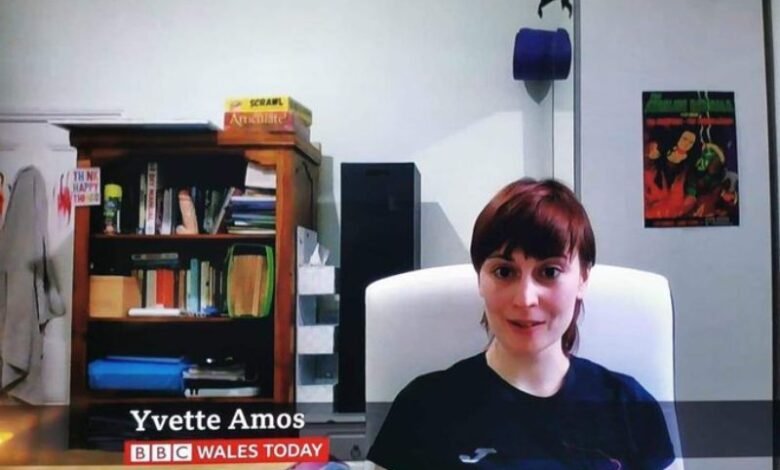
Yvette Amos appeared on BBC Wales Today to speak about unemployment during the pandemic. The segment was focused on serious subject matter: job loss, economic uncertainty, and personal struggle—topics relatable to millions at the time.
She was interviewed via remote video call from her home, just like thousands of individuals who participated in virtual conversations during lockdown. Her contribution was straightforward and earnest, aligning with the tone of the news program.
The Unexpected Shelf Object
What captured worldwide attention, however, had nothing to do with what Amos said. Instead, it was a conspicuous object placed visibly on a shelf behind her. Many viewers interpreted the object as an adult toy, leading to an explosion of humorous posts, memes, and commentary across social media platforms.
Whether the object was indeed what people believed it to be became almost irrelevant to the online conversation. The screenshot circulated faster than the original interview segment, becoming a symbolic image of the unpredictable nature of remote broadcasting.
Public Reaction
Within hours of the broadcast:
- Social media posts multiplied at high speed.
- Memes emerged globally.
- Commentators expressed both amusement and empathy.
- Media outlets reported on the incident with a blend of humor and curiosity.
While the story was often treated comically, it also sparked broader discussions about privacy, embarrassment, and the vulnerability of everyday people who suddenly find themselves thrust into the spotlight.
Why the Incident Went Viral
Relatability During a Global Crisis
One major reason the moment resonated across cultures was its relatability. Throughout lockdowns, people were managing work from home under less-than-ideal circumstances. Children barging into rooms, pets causing chaos, and personal items accidentally appearing on camera were widely shared experiences. The public saw themselves in Amos’s situation—caught off guard by the collision of personal life and professional expectations.
Humor as a Coping Mechanism
The pandemic was a period of significant stress, fear, and isolation. As a result, humorous content took on an amplified cultural role. Memes, jokes, and lighthearted viral clips became social tools for emotional relief. Amos’s interview provided an instant moment of levity, offering people a reason to laugh at something human and harmless.
The Power of Screenshots
The moment’s virality can also be attributed to the nature of visual media. A single screenshot—clear, surprising, and easily shareable—became more impactful than the video itself. Images travel quickly across platforms and can be contextualized, re-interpreted, or memed in endless ways.
The Element of Surprise
Virality often hinges on an unexpected twist. In this case, the contrast between a serious interview topic and a humorous background object created a striking juxtaposition. This contrast shaped the cultural staying power of Amos’s moment.
Media Coverage and Public Discourse
The News Cycle
Media outlets covered the incident across entertainment, lifestyle, and general news categories. Most of this coverage framed the moment humorously, though many pieces also included commentary on the broader theme of work-from-home challenges.
Commentary on Authenticity
Another thread of discussion centered on authenticity. Unlike highly curated backgrounds often used by public figures, Amos’s environment felt real and unfiltered. Many viewers found the moment refreshing precisely because it did not present a perfect or staged scene.
Ethical Questions About Privacy
Some commentators raised questions regarding consent and privacy. Should an ordinary person be subjected to global scrutiny over an innocent mistake? Is it fair to transform someone into a meme without their participation? The discourse highlighted the blurred boundaries between individuals and viral culture.
Beyond the Viral Moment: Understanding the Human Behind the Headline
Limited Public Information
It is crucial to clarify that Yvette Amos is not a public figure by profession, and therefore, only limited information about her life is publicly available. Beyond her BBC appearance and the viral reaction, details about her personal background remain private.
Respecting Boundaries
As with many individuals who unintentionally become memes or viral personalities, speculation about Amos’s life circulated online. However, responsible reporting and ethical public discourse emphasize the importance of respecting the privacy of non-public individuals. Her moment of visibility does not grant the internet unrestricted access to her personal story.
Cultural Significance
A Symbol of Remote-Work Chaos
The Amos moment is often cited as one of the most memorable “Zoom-era” mishaps. It stands alongside other pandemic-era viral incidents that reflect the unpredictability of home-based interactions.
Home Spaces as Public Display
Her case illustrates how domestic spaces became public environments without warning. The shift forced people to evaluate settings, backgrounds, and boundaries in ways they had never considered before.
Digital Memory and Unintentional Fame
Internet memory is both short-lived and permanent. While viral stories fade from active discussion, they remain archived in digital culture. Amos’s moment continues to be referenced in conversations about remote-work mishaps and media authenticity.
Lessons from the Incident
Vigilance About Backgrounds
A practical lesson many people took from Amos’s experience is the importance of checking one’s surroundings before joining virtual calls—particularly those that may appear on television or other public platforms.
Humanizing Professional Spaces
Paradoxically, moments like these also humanized work culture. They reminded society that no one can maintain perfect composure or control at all times. A shelf mishap is not a moral failing; it is part of being human.
Empathy in the Digital Age
The event highlights the importance of empathy in a world where private individuals can become viral content. Humor can coexist with respect, and audiences have a responsibility to remember that real people exist behind online jokes.
The Legacy of the Viral Moment
Lasting Internet Reference
Years later, Amos’s moment continues to be referenced in articles, memes, and discussions about remote broadcasting. It holds a place in pop-cultural memory as one of the more lighthearted moments during a difficult time in global history.
A Reminder of Unpredictability
Her story illustrates how unpredictable the online world can be. No amount of planning can fully prevent unexpected elements from shaping public perception.
Continuing Relevance
As remote work remains common in many industries, the themes surrounding her interview—authenticity, vulnerability, and the merging of personal and professional spaces—are as relevant today as they were during lockdown.
FAQs About Yvette Amos
Who is Yvette Amos?
Yvette Amos is known publicly for her appearance on BBC Wales Today during the COVID-19 pandemic, where an unexpected background object in her home led to widespread online attention.
Why did Yvette Amos go viral?
She became viral because viewers noticed a conspicuous object on a shelf behind her during a remote interview, sparking humorous reactions and global meme culture.
Did Yvette Amos intend to become a viral figure?
No. The viral moment was accidental. She was speaking about unemployment and did not seek publicity.
Is there detailed biographical information available about her?
No. Yvette Amos is a private individual, and only limited verified information about her life exists publicly.
What does her viral moment represent in digital culture?
It symbolizes the unpredictability of remote-work life, the power of visual media, and how authenticity and accidents during online interactions can quickly become part of internet history.