Photeeq Lens Flare: A Complete, In-Depth Guide
Photeeq Lens Flare: A Complete, In-Depth Guide

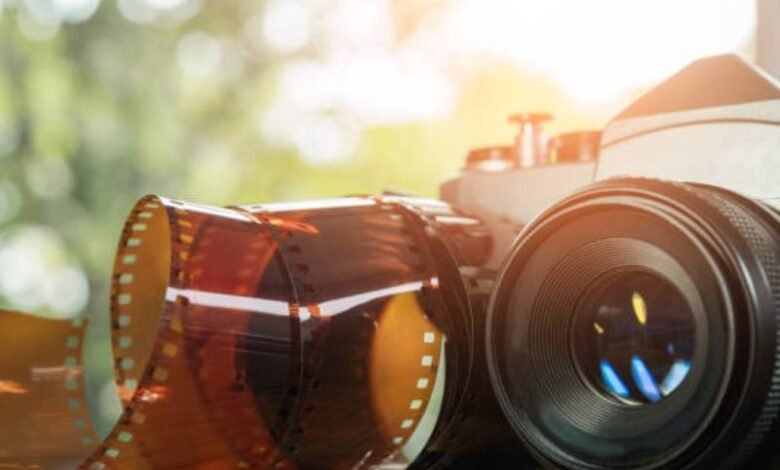
Lens flare has always carried a touch of visual magic — that soft haze, the blooming streak, or the diffused glow that instantly shifts an image from ordinary to atmospheric. It’s a favorite among photographers, editors, and digital artists who want to add emotional warmth, cinematic storytelling, or stylistic vibrance to a shot. But while real in-camera lens flare requires specific lighting conditions, equipment quirks, and plenty of patience, Photeeq Lens Flare gives creators the ability to craft those same luminous aesthetics digitally, with full control and zero unpredictability.
In this article, we’ll explore Photeeq Lens Flare in depth: what it is, how it works, why creators love it, how it compares to natural flare, and how to use it effectively without overpowering your visuals. We’ll also discuss practical techniques, common mistakes, and artistic strategies for creating convincing flare effects. Whether you’re a beginner photographer or a seasoned editor, this article will guide you through everything you need to know about Photeeq Lens Flare.
Understanding What Photeeq Lens Flare Is
At its core, Photeeq Lens Flare is a digital editing tool designed to reproduce the natural behavior of light inside a camera lens. Instead of waiting for sunlight to hit the lens at the perfect angle, or depending on expensive optics to create signature flare artifacts, Photeeq allows users to simulate those effects within photo-editing software.
Natural lens flare happens when strong light enters the camera lens, reflects and scatters across lens elements, and produces visual artifacts such as rings, orbs, haze, streaks, and glow. Photeeq mimics these artifacts, but lets you manipulate every aspect: position, size, color, brightness, angle, and intensity. This gives artists full creative control, enabling either subtle natural enhancement or stylized, dramatic flare effects.
The Photeeq tool is designed to be intuitive, making it accessible for beginners while still offering depth for professionals who want precise adjustments.
Why Lens Flare Matters in Photography and Editing
To appreciate Photeeq Lens Flare, it helps to understand why lens flare can transform an image so dramatically. Flare is more than just a flashy glow — it affects mood, tone, storytelling, and composition.
- Emotion & Atmosphere
Flare adds warmth, dreaminess, or an ethereal feel to an image, especially in outdoor scenes. - Directional Light & Depth
A well-placed flare emphasizes the direction of the light source, helping models, objects, or landscapes feel more grounded in their environment. - Cinematic Style
Films often use flare to soften scenes, highlight drama, or add a modern, polished look. - Movement & Dynamic Energy
Streaks or scattered orbs create visual energy, making static images feel more alive.
Real lens flare can be difficult to capture, especially indoors or in controlled studio settings. That’s where Photeeq steps in, offering the same aesthetic without the technical limitations.
Features and Capabilities of Photeeq Lens Flare
Photeeq Lens Flare’s strength lies in its versatility. The tool combines realism with artistic flexibility, enabling everything from minimal, delicate highlights to bold, stylized cinematic effects. Below are the key capabilities that define the tool.
Manual Placement of the Light Source
Natural lens flare depends heavily on where the actual light source sits—usually the sun or a bright artificial light. With Photeeq, the photographer chooses the exact placement of the flare. This means:
- You can match the flare with the direction of existing light.
- You can create the illusion of stronger or angled sunlight.
- You can reposition the flare to suit composition goals.
This manual control ensures the flare follows the visual logic of the scene, which is crucial for achieving realism.
Adjustable Intensity and Brightness
Not every photo needs a bold, fiery flare. Sometimes a small touch of glow is all it takes. Photeeq provides fine control over:
- Brightness
- Opacity
- Overall flare strength
This lets editors dial in the perfect amount of flare — whether subtle or intense.
Customizable Colors and Temperature
Natural sunlight is rarely pure white. It ranges from golden to orange, blue to pink, depending on time of day and atmospheric conditions. Photeeq’s color controls allow editors to match the flare to:
- Golden hour warmth
- Cool winter light
- Neon-like synthetic colors
- Vintage film tones
Matching the flare to the scene’s color palette is one of the most important steps in making the effect believable.
Variety of Flare Types and Shapes
Every lens creates unique flare patterns based on the number of glass elements, coatings, and construction. Photeeq reproduces several classical flare types, such as:
- Rings and halos
- Ghost orbs
- Horizontal streaks
- Star-point flares
- Haze and bloom effects
The user can combine or isolate these elements to create the desired mood or style.
Real-Time Preview
Real-time preview makes the editing process smooth and intuitive. Users can:
- Drag the flare around and see instant updates
- Adjust settings without committing
- Compare subtle differences
- Fine-tune blending and intensity on the spot
This makes Photeeq feel more like painting with light than traditional image editing.
Non-Destructive Layer Workflow
Because Photeeq works as an overlay, none of the original image data is altered. You can:
- Turn flare layers on/off
- Reduce opacity later
- Modify position after editing
- Remove individual elements
This is especially helpful in professional workflows where client preference or stylistic direction may change mid-process.
Practical Uses for Photeeq Lens Flare
Photeeq Lens Flare isn’t just an aesthetic tool — it’s a creative instrument used across a huge range of image styles. Here are the most common applications where photographers and editors rely on it.
Outdoor Lifestyle & Travel Photography
Travel photos often benefit from flare because it enhances natural sunlight and amplifies ambience. It adds a dreamy, warm, inviting energy that feels nostalgic and cinematic.
Flare is especially impactful when:
- Shooting at sunrise or sunset
- Capturing silhouettes
- Highlighting landscapes with directional light
- Enhancing beach, mountain, or forest scenes
Photeeq makes it easy to recreate that golden-hour magic even if the real lighting wasn’t perfect.
Portraits and Editorial Photography
Flare can elevate portraits by softening harsh light, adding emotional depth, or highlighting the subject’s outline. With Photeeq, editors can:
- Add gentle rim-light
- Create hazy, romantic atmospheres
- Add drama for fashion/editorial shoots
In studio environments where natural flare is impossible, Photeeq becomes especially valuable.
Product and Commercial Photography
A subtle streak or glow can emphasize edges, textures, and reflections on items like:
- Jewelry
- Perfume bottles
- Tech devices
- Glassware
- Automobiles
Commercial editors often use lens flare to make products look more premium or enhance the “luxury” feel.
Artistic and Conceptual Photography
For artists who push boundaries, Photeeq becomes a tool for creating surreal or stylized effects. Intense flares, neon streaks, and ghost shapes can turn a simple shot into a conceptual piece.
Social Media Aesthetic Edits
Instagram, Pinterest, and visual content creators use lens flare to make images feel warmer, more emotional, or trend-aligned. It’s a simple way to add storytelling dimension to everyday photos.
How to Use Photeeq Lens Flare Effectively
Using lens flare is an art. While the tool is easy to use, getting the most natural and polished results requires understanding how light actually interacts with real landscapes, subjects, and lenses. Here are the most important principles.
Match the Flare to the Light Direction
This is the biggest rule for realistic effects. If the main light source is on the right side of the image, but your flare appears on the left, the result feels unnatural.
Always place the flare:
- Near the existing light source
- In a direction consistent with visible shadows
- Following the perspective of the scene
Blend the Colors to Match the Scene
Color mismatch is one of the fastest ways to ruin realism. For example:
- A blue flare in a warm sunset shot looks artificial
- An orange flare in a snowy, cold scene breaks visual harmony
Flare should feel like it naturally belongs in the environment.
Use Intensity Carefully
A flare effect should enhance, not dominate. Too much intensity can:
- Wash out important details
- Distract viewers from the subject
- Give an amateurish, overly edited feel
Subtlety is often more effective—unless you’re intentionally going for dramatic or stylized imagery.
Use Streaks and Rings Sparingly
Not every scene needs the full bundle of streaks, orbs, and halos. Natural lens flare varies greatly, and often appears in very minimal forms. Choosing fewer elements usually yields more professional results.
Avoid Putting Flare on Top of Faces or Key Subjects
This is a common beginner mistake. Flare across a person’s eyes or important product details can:
- Break viewer connection
- Reduce clarity
- Flatten contrast
Place flare where it complements the composition, not where it interferes with it.
Photeeq Lens Flare vs Real Lens Flare
Both types have strengths and weaknesses. Understanding the differences helps editors choose the right tool for the right situation.
Real Lens Flare
Pros:
- Authentic and unpredictable
- Captures genuine light interaction
- Adds unique character depending on lens design
- Ideal for natural light photography
Cons:
- Difficult to control
- Requires precise angles and strong light
- Can obscure important details
- Unpredictable results
Photeeq Lens Flare (Digital)
Pros:
- Complete control over placement and intensity
- Works in any environment, even indoors
- Easy to adjust, remove, or fine-tune
- Enables creative stylization not possible in-camera
Cons:
- Can look fake if misused
- Requires understanding of light behavior
- Risks over-editing if overdone
In professional workflows where consistency and control matter, Photeeq often becomes the superior choice.
Common Mistakes When Using Photeeq Lens Flare
Even though the tool is simple, misusing it is easy. These are the pitfalls to avoid:
- Adding flare where no natural light justifies it
- Making the flare too bright or too large
- Ignoring the color palette of the photo
- Placing flare directly on key subjects
- Using too many flare elements simultaneously
- Not blending intensity with environment brightness
Keeping these in mind results in more cinematic, elegant, and professional-looking edits.
Conclusion
Photeeq Lens Flare is a powerful creative tool that merges technical precision with artistic flexibility. It gives photographers and editors the ability to transform images through light, mood, and atmosphere. Whether you’re enhancing realism, adding warmth, or creating bold stylistic effects, Photeeq offers the tools needed to shape light the way you envision it.
Its effectiveness depends on understanding natural light behavior, using subtlety, and blending the flare harmoniously into the scene. When used thoughtfully, Photeeq Lens Flare becomes more than visual decoration — it becomes a storytelling element that elevates the entire composition.
FAQs About Photeeq Lens Flare
Is Photeeq Lens Flare suitable for beginners?
Yes. The tool is designed to be intuitive and easy to learn, while still offering advanced controls for professionals.
Can Photeeq Lens Flare make images look unnatural?
Yes, but only if misused. Overly bright, misaligned, or mismatched flares can look artificial. When used correctly, the effect blends seamlessly.
Does Photeeq Lens Flare work on all types of photos?
It works best on photos with visible light sources or directional lighting. However, it can also be used creatively in indoor or studio shots.
Is it better than capturing real lens flare?
Not better—just different. Real lens flare offers authenticity, while Photeeq offers control and flexibility. Many professionals use both depending on the project.
Can Photeeq Lens Flare be used for artistic, non-realistic edits?
Absolutely. The tool isn’t limited to realism—it can be used to create dreamy, stylized, or even futuristic light patterns.