The Plane Crash Philly Pa: A Detailed Account of the Accident
The Plane Crash Philly Pa: A Detailed Account of the Accident

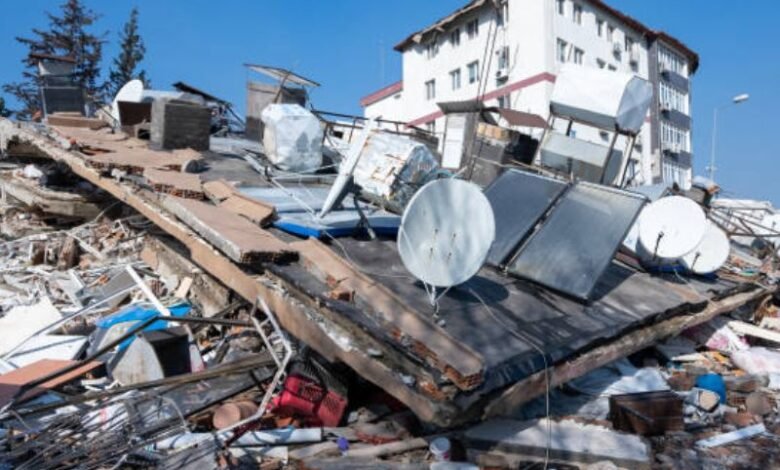
On January 31, 2025, residents of Northeast Philadelphia faced one of the most devastating aviation disasters in the city’s history. What began as a routine medical transport flight ended in tragedy when a Learjet 55 crashed shortly after takeoff from Northeast Philadelphia Airport. The jet went down in a densely populated neighborhood near Cottman Avenue and Roosevelt Boulevard, igniting fires, damaging homes, and taking multiple lives both in the air and on the ground. The incident shook the local community, raised questions about aircraft maintenance and safety oversight, and launched a large-scale investigation by federal authorities.
This article provides a comprehensive and detailed look at the Philadelphia plane crash—its causes, the people involved, the investigation that followed, and the long-term implications for aviation safety.
Background of the Flight
Purpose of the Mission
The aircraft involved in the crash was a medical transport jet operated by an international air ambulance provider. Its mission was to transfer a young pediatric patient and her mother as part of a medical relocation flight. The plane was scheduled to make a refueling stop en route to its final destination.
Aircraft Details
The aircraft was a Learjet 55, an executive-class twin-jet often used for private charters and medical evacuations. Although widely respected for its performance, age and maintenance quality play a crucial role in safety. The jet involved in the crash had been in service for decades, and subsequent investigations revealed that certain equipment—most critically, the cockpit voice recorder—had not been functioning for years.
Crew Members and Medical Staff
On board the aircraft were six individuals:
- Two pilots responsible for the flight
- A doctor
- A paramedic
- A pediatric patient
- The patient’s mother
All six occupants perished in the crash, making it one of the deadliest aviation incidents in the region in recent years.
Timeline of the Crash
Takeoff
The flight departed from Northeast Philadelphia Airport at approximately 6:06 p.m. Conditions during takeoff included light rain, overcast skies, and moderate wind gusts. While visibility was adequate for flight operations, the weather was not ideal, and pilots were navigating in low-light and low-cloud conditions.
Moments After Departure
Within less than one minute of becoming airborne, the aircraft began to lose altitude rapidly. Residents reported hearing an unusual engine noise, followed by a sudden explosion that lit up the evening sky.
Impact Site
The Learjet crashed near the intersection of Cottman Avenue and Roosevelt Boulevard, a busy area surrounded by homes, local shops, and commercial properties. The impact created a large fireball that caused significant structural damage to homes, cars, and businesses.
Emergency Response
Philadelphia Police, Fire Department, and EMS services arrived within minutes. Firefighters battled aggressive flames as residents fled the area. Emergency personnel discovered victims on the ground, including one person who later succumbed to injuries.
Ground Damage and Community Impact
Structural Damage
The crash destroyed several homes and severely damaged many others. Vehicles parked near the impact site caught fire, and debris spread across multiple blocks. Some buildings were deemed unsafe and required immediate evacuation.
Injuries on the Ground
While the primary fatalities were the six individuals on the plane, at least one person on the ground lost their life, and numerous others suffered injuries from flying debris, fire, or collapsing structures.
Emotional Toll on Residents
Residents described the scene as chaotic and traumatic. Families were displaced, some losing all of their possessions in the flames. The shock reverberated far beyond the immediate community as news spread nationwide.
Investigation and Early Findings
Federal Agencies Involved
The National Transportation Safety Board (NTSB) led the investigation, supported by the Federal Aviation Administration (FAA). Local emergency responders also played a significant role in securing the crash site.
Cockpit Voice Recorder Failure
One of the most concerning early discoveries was the nonfunctional cockpit voice recorder. Investigators found that it had not recorded anything during the flight—and may not have worked for several years.
The failure of such a critical safety device raised immediate questions about:
- Maintenance practices of the aircraft operator
- Compliance with aviation safety regulations
- Oversight responsibilities of regulatory agencies
Lack of Distress Call
There was no radio distress call from the pilots, suggesting that the emergency developed too quickly for communication or that systems failed rapidly.
Possible Contributing Factors
While the investigation remained ongoing, several potential areas of concern emerged:
- Mechanical failure related to engines or flight control surfaces
- Human factors, including pilot workload and visibility challenges
- Weather conditions, such as wind gusts and moisture
- Aging aircraft systems, including outdated or defective components
The Victims and Their Stories
Crew Members
Both pilots had experience with medical transport operations. Their quick departure and the difficulty of the situation highlight the unpredictable nature of their profession.
Medical Personnel
The doctor and paramedic on board were accompanying the child on her medical transfer, fulfilling a humanitarian mission cut tragically short.
The Pediatric Patient and Mother
The young patient and her mother were traveling together for medical reasons. Their story later drew significant sympathy and international attention, especially because they were transported from another country for specialized care.
Local and National Response
Philadelphia’s Emergency Coordination
The city’s Office of Emergency Management provided continuous updates to the public, directed road closures, and established support services for those displaced by the incident.
Support for Affected Families
Community organizations, nonprofits, and volunteers mobilized quickly to provide:
- Temporary housing
- Food and supplies
- Financial assistance
- Mental health counseling
International Reactions
Because the aircraft was operated by an international medical transport company and several victims were foreign nationals, foreign consulates and national governments issued statements of condolence and pledged support.
Long-Term Implications of the Crash
Safety Oversight and Regulation
The discovery of the nonfunctioning voice recorder prompted renewed scrutiny of safety compliance among private and international medical aviation companies. Questions were raised about:
- How often aircraft are inspected
- Whether outdated equipment is being used
- The adequacy of enforcement by aviation authorities
Community Resilience and Rebuilding
Efforts to rebuild the damaged homes and businesses began in the months following the incident. The crash sparked renewed discussions about zoning, emergency planning, and aircraft flight paths over residential areas.
Impact on Medical Transport Operations
Medical aviation plays a crucial role in emergency care, international transfers, and organ transport. The crash prompted many organizations to reevaluate:
- Emergency protocols
- Equipment maintenance standards
- Pilot training requirements
Lessons Learned
Importance of Proper Equipment Maintenance
A functional cockpit voice recorder is essential in accident analysis. Its failure dramatically limited investigators’ insights.
Risk Awareness in Older Aircraft
Aging airframes require strict oversight. A lapse in maintenance can have tragic consequences, particularly in high-stakes medical flights.
Need for Continuous Oversight
The Philadelphia crash underscores the necessity of strong regulatory oversight for both domestic and international operators providing services in the U.S.
Conclusion
The Plane Crash Philly Pa crash of January 2025 remains a heartbreaking event that affected countless lives. From the victims aboard the aircraft to the families whose homes were destroyed, the tragedy revealed vulnerabilities in medical aviation and aviation oversight. At the same time, it showcased the resilience of the local community and the compassion of people across the nation.
While the investigation continues to uncover details, the crash has already highlighted critical lessons for the aviation industry and emphasized the importance of safety, regulation, and responsibility in air transportation. The community’s response and the nation’s support provide hope as Philadelphia continues to recover and remember those lost.
Frequently Asked Questions (FAQs)
What caused the Plane Crash Philly Pa?
The exact cause has not been fully determined, but early findings indicate possible mechanical failure, weather complications, and issues with aircraft equipment, including a nonfunctional cockpit voice recorder.
How many people died in the Plane Crash Philly Pa?
A total of seven people died—six occupants aboard the aircraft and one individual on the ground.
Where exactly did the plane crash occur in Philadelphia?
The jet crashed near Cottman Avenue and Roosevelt Boulevard in Northeast Philadelphia, a dense neighborhood with homes and businesses.
What type of aircraft was involved in the crash?
The plane was a Learjet 55, a twin-engine private jet commonly used for charter flights and medical transport missions.
What agencies are investigating the crash?
The National Transportation Safety Board (NTSB) is leading the investigation, with assistance from the Federal Aviation Administration (FAA) and local emergency authorities.