Is Fojatosgarto Hard to Cook? A Complete, Detailed Guide
Is Fojatosgarto Hard to Cook? A Complete, Detailed Guide

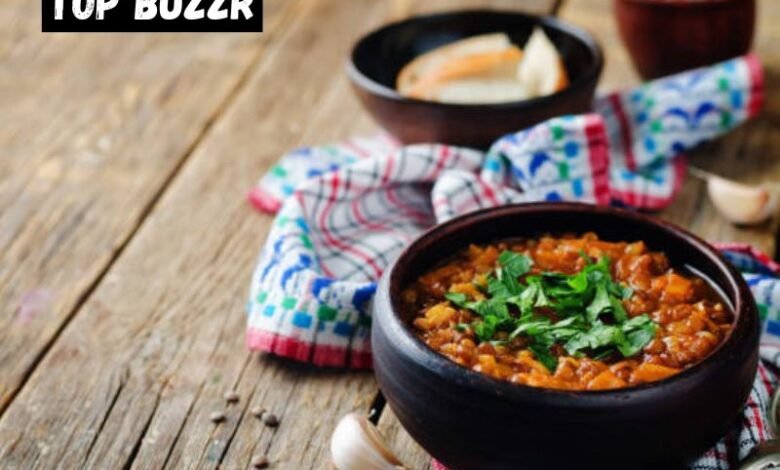
Fojatosgarto is one of those dishes whose name alone tends to intimidate new cooks. Its rich, slow-simmered personality gives the impression of a meal that requires years of culinary experience. Many beginners believe that dishes rooted in long tradition or layered flavors must automatically be complicated. Yet, the real question is not whether Fojatosgarto looks difficult, but whether the process of cooking it actually demands specialized skills.
This article breaks down the complexity of cooking Fojatosgarto, step by step, to determine if it is genuinely challenging or simply misunderstood. By exploring its origins, techniques, required equipment, common mistakes, and essential cooking stages, we can form a realistic picture of what the dish demands from cooks at different experience levels.
Understanding Fojatosgarto: What Kind of Dish Is It?
Before judging the difficulty, it’s important to understand what Fojatosgarto actually represents. While variations exist between regions and families, the dish is generally recognized as a hearty, slow-cooked preparation centered around meat, vegetables, spices, and a well-developed sauce.
Its identity places it in the same family of dishes as stews, braises, and rustic traditional meals that rely on time to build richness rather than complex or rapid cooking techniques. This alone tells us something: it is not an inherently technical dish, but one based on patience.
Why Fojatosgarto Seems Hard to Many Beginners
The difficulty of a recipe is often influenced more by perception than reality. Fojatosgarto may look or sound intimidating for several reasons:
The Name Can Appear Complex
Foreign or traditional names often cause apprehension in cooks unfamiliar with them. Many people assume that if a dish sounds exotic, the preparation must be equally elaborate.
Recipes Often Describe Long Processes
The dish typically requires browning, sautéing, seasoning, simmering, and sometimes finishing steps. These stages may look demanding on paper, even though each is simple when broken down.
It Usually Takes Time
Long cook times are often mistaken for difficulty. A dish that simmers for hours may appear labor-intensive, but in reality, most of the process is hands-off.
Concern About Ingredient Availability
Depending on the version, certain spices or cuts of meat might seem unfamiliar, but substitutes are almost always possible.
Fear of Overcooking or Undercooking
Because the dish builds flavor through slow cooking, beginners sometimes worry about improperly handling temperature, especially if they haven’t prepared many stews before.
These concerns are understandable, but none of them point to actual technical difficulty. Instead, they reflect a lack of familiarity and confidence.
Is Fojatosgarto Actually Hard to Cook?
The honest answer: No, Fojatosgarto is not hard to cook — but it does require patience and attention in key stages.
Most of the work involves:
- Basic prep (cutting vegetables and meat)
- Browning ingredients
- Allowing the dish to simmer
- Adjusting seasoning
- Occasionally stirring or checking the sauce
Nothing in this process requires advanced skills such as delicate knife work, specialized equipment, or fast cooking reflexes. As long as the cook can follow sequential steps and maintain consistent heat, the dish comes together smoothly.
What makes it seem challenging is not complexity, but commitment to time, flavor development, and proper technique in a few fundamental areas.
Breaking Down the Cooking Process
To understand the difficulty more clearly, let’s examine each major stage involved in making Fojatosgarto and how challenging it truly is.
Ingredient Preparation: Simple but Crucial
Prepping ingredients is one of the simplest stages. It involves slicing vegetables, measuring spices, and cutting meat into appropriate portions. Beginners should not feel intimidated—precision is not as important here as consistency.
The goal is to ensure everything cooks evenly. As long as ingredients are cut into similar sizes and ready before heating the pot, this stage is entirely manageable.
Browning the Meat: A Technique Worth Learning
This part sounds more complicated than it is, but it is the section that intimidates beginners most.
Proper browning adds flavor, depth, and aroma. The technique involves:
- Heating oil
- Adding meat in a single layer
- Allowing it to sear before turning
The mistake many people make is moving the meat too soon, which prevents browning and instead causes steaming. This is easy to avoid by simply giving the meat time to cook undisturbed.
While it takes practice to perfect the golden crust, even beginners achieve good results by following simple instructions.
Building the Base Flavor: Sautéing Aromatics
After browning, most recipes call for sautéing onions, garlic, peppers, or similar aromatics. This step unlocks flavor and forms the backbone of the dish.
It involves low to medium heat and occasional stirring—simple, forgiving, and easy for anyone to master.
Seasoning: The Heart of the Dish
Seasoning Fojatosgarto properly is essential. Traditional variations often use:
- Paprika
- Salt and pepper
- Regional herbs
- Optional spices depending on taste
Beginners often worry about using too much or too little seasoning, but the dish’s long cooking time allows adjustment as it simmers. As flavors deepen, it becomes easier to taste and correct.
Slow Cooking: Time Does Most of the Work
Once everything is added to the pot—meat, vegetables, seasoning, broth—it simmers for one to several hours.
This is the easiest part of the process because it requires:
- Occasional stirring
- Checking liquid levels
- Ensuring heat remains steady
Essentially, the cook monitors the dish rather than actively works on it. Much like many traditional stews, Fojatosgarto builds flavor slowly, and the pot does most of the work.
Final Adjustments: Finishing the Dish
Before serving, most recipes encourage checking:
- Salt levels
- Sauce thickness
- Tenderness of meat
If the sauce is too thin, simmering uncovered concentrates it. If too thick, adding a small amount of broth fixes it. These are simple corrections that even new cooks can make easily.
Factors That Affect Difficulty
Although the dish is fundamentally straightforward, some factors can influence how easy the process feels.
Experience Level
For complete beginners, steps like browning meat or managing simmering temperatures might feel new. With just a little practice, these become second nature.
Available Equipment
The dish cooks best in:
- A heavy pot
- A Dutch oven
- A slow cooker
While not mandatory, these tools help maintain even heat. Using a thin pot may require more frequent stirring.
Ingredient Quality
Better-quality meat and fresh spices significantly improve the result. Poor ingredients can make the dish seem harder because they require more adjustment.
Patience and Time Management
This is arguably the most important factor. Fojatosgarto is not a quick dish. Those who prefer fast meals may find waiting for flavors to develop slightly challenging—not because of skill, but because of time.
Common Mistakes People Make
Understanding potential pitfalls helps reduce difficulty:
Using too high heat during simmering
This can toughen meat or over-reduce the sauce.
Not browning meat properly
Skipping or rushing this step reduces depth of flavor.
Overloading the pot
Crowding ingredients can prevent proper browning and slow cooking.
Not adjusting seasoning while cooking
The dish benefits from periodic tasting.
Impatience
Trying to rush cooking weakens the dish’s character.
Avoiding these mistakes alone makes the entire process smoother and more enjoyable.
Who Will Find Fojatosgarto Easy to Cook?
- Home cooks who enjoy slow cooking
- Anyone comfortable with simple step-by-step recipes
- People familiar with stews or braised meals
- Beginners willing to follow instructions patiently
Even first-time cooks often surprise themselves with how well their version turns out.
So, Is Fojatosgarto Hard to Cook? The Final Verdict
Fojatosgarto is not a technically difficult dish. It is:
- Manageable for beginners
- Straightforward in ingredients
- forgiving in preparation
- Rich and rewarding when cooked with patience
The only genuine challenges involve managing heat, allowing enough cook time, and being attentive to seasoning. These skills improve naturally with practice.
Overall, Fojatosgarto is a dish that looks harder than it is and offers excellent results without demanding professional techniques. It rewards patience rather than precision, making it ideal for cooks at all experience levels who want to explore comforting, traditionally rich cuisine.
FAQs About “Is Fojatosgarto Hard to Cook?”
Is Fojatosgarto suitable for beginners?
Yes. With clear steps and patience, beginners can easily make a delicious version of the dish.
Does Fojatosgarto require special tools?
No, but a heavy pot or Dutch oven improves results by providing steady heat.
Can I make Fojatosgarto faster?
Speeding up the cooking process reduces flavor and tenderness. It’s best made slowly, though pressure cookers can shorten time with some adjustments.
What makes the dish seem intimidating?
Mostly the long cooking time and unfamiliar name. The techniques themselves are simple and accessible.
Can I adjust the recipe to suit my taste?
Absolutely. Fojatosgarto is flexible—variations in vegetables, meat cuts, and spices all work well.