Spirit Airlines Emergency Landing: A Comprehensive Analysis of the Incident
Spirit Airlines Emergency Landing: A Comprehensive Analysis of the Incident

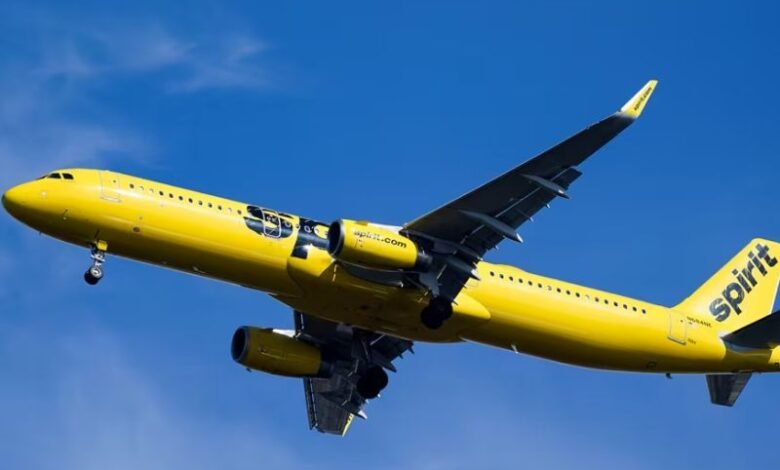
Emergency landings are among the most tense and defining moments in aviation. Although commercial air travel remains statistically one of the safest modes of transportation, incidents such as emergency landings reveal the true test of coordination, technical preparedness, pilot expertise, and airline response practices. One recent Spirit Airlines emergency landing, involving an Airbus A320 carrying 182 passengers, has drawn significant attention from both aviation enthusiasts and regular travelers alike. While the aircraft landed safely and no injuries were reported, the event opened conversations about autopilot failures, weather-related technical challenges, aviation safety systems, and passenger experience during in-flight emergencies.
This article provides a comprehensive, in-depth exploration of the Spirit Airlines emergency landing—its timeline, technical details, potential causes, crew response, passenger impact, safety protocols, and broader industry implications. It also highlights what such incidents reveal about aircraft reliability, airline operations, emergency procedures, and the evolving nature of aviation safety management.
Introduction: Why Emergency Landings Matter
Emergency landings, regardless of their severity, are events that attract attention because they test every layer of aviation safety—from hardware systems to human performance. When an airline experiences an emergency landing, passengers often feel anxious, and the public becomes curious about what went wrong. Although emergency landings happen for a wide range of reasons—from medical emergencies to technical malfunctions—they always require immediate judgment and decisive action from the flight crew.
The recent Spirit Airlines emergency landing has become a focal point in aviation discussions because it involved an autopilot system failure, a rare but serious event. The incident unfolded mid-flight as the aircraft passed through turbulent weather, forcing pilots to manually control the plane and divert for safety. Fortunately, the flight landed without injuries, demonstrating the redundancies and training built into commercial aviation.
Overview of the Spirit Airlines Emergency Landing
Flight Details
The aircraft involved was an Airbus A320, a widely used twin-engine jet known for its reliability. The plane was en route from Houston, Texas to Orlando, Florida, carrying 182 passengers and crew. It was expected to be a routine two-hour journey.
Shortly after takeoff and while passing through a region of unstable weather conditions, the aircraft’s autopilot system malfunctioned, prompting pilots to disengage automation and take full manual control. Given the added challenge of turbulence and reduced atmospheric stability, the crew made the decision to declare an emergency and divert.
Emergency Diversion
The aircraft ultimately diverted to Pensacola International Airport in Florida, where it landed safely. While emergency responders were on standby, no injuries or structural damages were reported. Nevertheless, the diversion extended the travel time by several hours, with some passengers arriving at their final destination nearly six hours later.
What Caused the Emergency Landing?
Autopilot Failure Explained
The core of the incident was an autopilot failure. Modern aircraft rely on complex automation systems to assist in navigation, altitude control, and system monitoring. These systems do not replace pilots but significantly reduce workload—particularly in challenging conditions.
An autopilot failure is rare, though not unprecedented. Common causes include:
- Faulty air data sensors
- Electrical or wiring issues
- Software anomalies
- Unexpected environmental interference
- Weather-related turbulence affecting sensor readings
In this case, the malfunction reportedly occurred while the plane encountered inclement weather. Severe turbulence can sometimes affect sensor data, causing the autopilot to disconnect.
Why Autopilot Failure Matters
Even though pilots are trained to fly manually at all times, automation greatly enhances safety by providing consistent monitoring and precision. When the autopilot disengages unexpectedly during turbulence:
- Pilot workload increases significantly
- Navigation and stability control must be managed manually
- Crew must evaluate whether to continue or divert
- The risk of pilot fatigue increases during unexpected manual flight
Therefore, although the aircraft remained controllable, the safest course of action was to divert.
Inside the Cockpit: The Crew’s Response
Declaring an Emergency
When a major aircraft system fails, crews follow strict protocols. Declaring an emergency ensures:
- Priority landing at the nearest suitable airport
- Emergency services prepare in advance
- Other air traffic is cleared from approach paths
The decision to declare an emergency is not a sign of imminent danger but rather a precaution to ensure maximum safety.
Communication with Passengers
Passengers reported that the captain made announcements explaining the situation. Transparency is vital during in-flight incidents because it helps maintain calm and reduces panic.
Manual Flying in Turbulence
Flying manually through turbulence is a skill-intensive task. Unlike autopilot, which makes micro-adjustments automatically, manual control requires precise coordination. The crew’s successful landing demonstrates rigorous training and adherence to safety procedures.
Passenger Experience: What It Felt Like Onboard
Passengers described a mixture of fear and relief. The turbulence made the situation more unsettling, and the emergency declaration heightened anxiety. However, several passengers praised the crew’s calmness and communication.
Typical passenger experiences during such an event include:
- Increased turbulence sensation when automation disengages
- More manual flight adjustments felt as the pilots stabilize the aircraft
- Cabin announcements explaining the diversion
- Waiting afterward for reassignment to a new aircraft
Despite the ordeal, passengers ultimately completed their journey without injuries.
Aircraft Technology and Emergency Protocols
Backup Systems
Airbus A320 aircraft are equipped with multiple redundant systems. Even when an autopilot fails, the plane remains safe to fly manually. The crew also has access to:
- Dual independent flight computers
- Manual override control systems
- Backup navigation aids
- Emergency power sources
Why Diversions Are Common Safety Measures
Even minor concerns can lead to diversions because aviation prioritizes prevention over reaction. Diverting for an autopilot failure is standard practice—especially in worsening weather.
Spirit Airlines’ Response and Safety Culture
Spirit Airlines acknowledged the emergency landing and emphasized that safety remains its top priority. The airline’s policies align with FAA regulations requiring:
- Immediate reporting of significant incidents
- Maintenance evaluations of the affected aircraft
- Flight crew debriefing
- Passenger rerouting and support
Spirit, like all commercial airlines, is subject to strict oversight and mandatory inspection after such events.
Regulatory Oversight and Potential Investigations
Incidents involving autopilot failures are typically reviewed by:
- The Federal Aviation Administration (FAA)
- The airline’s internal safety department
- Maintenance teams
In some cases, additional investigation may be conducted to determine if the failure was:
- A mechanical defect
- A weather-related anomaly
- A software malfunction
Even when outcomes are minor, these reviews help prevent future occurrences.
Broader Implications for Aviation Safety
The Spirit Airlines emergency landing highlights several important points:
Automation Dependency
While autopilot greatly increases efficiency and safety, incidents like this prove that pilot skill is still indispensable.
Weather as a Leading Factor
Weather remains one of the most unpredictable variables in aviation. Turbulence can interfere with instrument readings, emphasizing the need for constant vigilance.
Passenger Confidence
Although emergency landings can be alarming, they also demonstrate that:
- Aircraft systems work as intended
- Pilots are trained extensively
- Airlines prioritize safety over schedules
9.4 Continuous Improvement
Every emergency landing contributes to better protocols, improved aircraft design, and enhanced pilot training.
Conclusion
The Spirit Airlines emergency landing was a powerful reminder of both the complexity and resilience of modern aviation. While the autopilot failure was unexpected, the coordinated response from pilots, flight attendants, air traffic control, and ground teams ensured that all passengers reached safety. The incident underscores not only the importance of pilot expertise but also the effectiveness of aviation’s multilayered safety systems.
Emergency landings will always draw attention, but they also provide valuable learning opportunities. In this case, the safe outcome speaks to the sophistication of current aircraft technology, the strength of aviation regulations, and the professionalism of Spirit Airlines’ crew.
Frequently Asked Questions (FAQs)
What caused the Spirit Airlines emergency landing?
The emergency landing occurred due to an autopilot system failure while the aircraft encountered turbulent weather. Pilots manually controlled the aircraft and diverted for safety.
Were any passengers injured during the incident?
No injuries were reported. The plane landed safely, and medical assistance on the ground was not required.
How do pilots handle an autopilot failure?
Pilots immediately take manual control, stabilize the aircraft, assess system status, and determine whether to continue, return, or divert. Manual flying skills are a core part of pilot training.
Is it common for airplanes to divert due to technical issues?
Yes. Diverting is a standard precaution when any essential system malfunction occurs. Safety always takes priority over schedule.
Is Spirit Airlines considered safe to fly after this incident?
Yes. Spirit Airlines operates under strict FAA regulations, and the incident demonstrated that its safety protocols, crew training, and emergency response procedures work effectively.