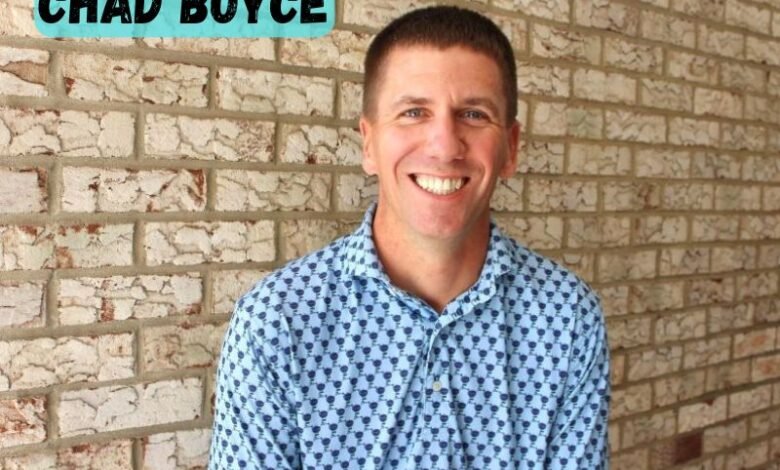
Chad Boyce was one of those quiet, behind-the-scenes figures in the entertainment world whose contributions may not always grab headlines, yet they are absolutely essential to the stories audiences fall in love with. As a cameraman and assistant cameraman, Boyce played a key role in shaping the emotional, visual, and atmospheric language of the many television shows and films he worked on. Although he was not a household name, his legacy continues to live on among colleagues, fans of The 100, and the broader film-crew community.
This long-form article explores the life, career, and impact of Chad Boyce in detail. From his early beginnings in Vancouver to his behind-the-scenes contributions on major productions, to the tragic and mysterious circumstances of his passing, this article provides an in-depth look at a man whose technical artistry quietly supported some of television’s most memorable moments.
Biography
| Category | Details |
|---|---|
| Full Name | Chad Philip (or Phillip) Boyce |
| Birthdate | 23 September 1978 (reported) |
| Birthplace | Vancouver, Canada |
| Profession | Cameraman / Assistant Cameraman |
| Industry Start | Early 2000s (around 2002) |
| Guild Membership | International Cinematographers Guild (ICG 669) |
| Known For | Camera department work on The 100, Riverdale, Wynonna Earp |
| Date of Death | 17 April 2018 (reported) |
| Legacy | Memorial dedication in The 100 Season 5 |
Early Life and Background
Childhood and Upbringing
Information about Chad Boyce’s childhood is limited, but the details available suggest a fairly typical Canadian upbringing. Born in Vancouver, British Columbia, he grew up in a region known for its thriving film and television production industry — often called “Hollywood North.” This environment, surrounded by film sets, production companies, and talent from across the world, may have played a part in inspiring Boyce’s fascination with camera work and behind-the-lens storytelling.
Developing an Eye for Visual Craft
Although he was not known to publicly discuss his early years, many who end up in camera departments typically develop their interests long before joining a professional crew. Whether through local film programs, personal photography, or involvement in early productions, Boyce’s journey into film suggests a strong aptitude for teamwork, technical skill, and an appreciation for visual storytelling.
Entry into the Film Industry
First Steps Behind the Camera
Chad Boyce reportedly began his professional film-industry career around 2002, starting as a camera trainee on the film Punch. Like many who enter the camera and electrical department, the early years likely involved long hours, carrying equipment, managing cables, and learning the fundamentals of cinematography through hands-on practice.
These early experiences tend to shape a crew member’s career, teaching discipline, teamwork, and the ability to adapt to fast-changing production environments. Boyce’s colleagues later noted that he was known for his reliability and work ethic — qualities essential for someone working on fast-paced television sets.
Joining ICG 669
Boyce eventually became a member of the International Cinematographers Guild, Local 669. This guild represents camera professionals across Western Canada and other regions, and membership is both a recognition of professional competence and a gateway to more substantial projects.
This affiliation gave Boyce access to larger and more demanding productions, allowing him to develop a deeper technical understanding of equipment, lighting, framing, and movement — the building blocks of cinematography.
Professional Growth and Career Highlights
Work on Television Productions
Throughout his career, Boyce contributed to several notable television series. The camera department is rarely in the spotlight, but their work is among the most crucial components of any production. Boyce’s credits extended across multiple genres, ranging from supernatural drama to science fiction and teen mysteries.
The 100
Boyce is best known for his work on The 100, the hit post-apocalyptic science fiction series. This show required complex physical shooting conditions — forest locations, dimly lit scenes, action sequences, and heavy special effects environments. Working under such demanding circumstances requires precision, technical expertise, and close collaboration with cinematographers and directors.
His contributions were so valued that the series honored him with a memorial dedication in Season 5, Episode 4 — a recognition reserved only for individuals whose impact left a meaningful mark on the production team.
Riverdale
Another popular series associated with Boyce’s career was Riverdale, known for its moody lighting, stylized cinematography, and tonal complexity. The camera crew plays a significant role in sustaining that iconic visual aesthetic, making Boyce part of the team that shaped its atmospheric look.
Wynonna Earp
The supernatural Western-themed series Wynonna Earp also benefited from Boyce’s technical contributions. The show’s mix of fantasy, action, and gritty Western elements required versatile camera work capable of handling both intimate character moments and dynamic combat scenes.
Skillset and Contributions to Cinematography
Technical Precision
Camera assistants and operators are deeply responsible for maintaining focus, organizing equipment, and supporting cinematographers in executing their visual vision. Boyce was known for:
- Maintaining equipment with precision
- Navigating challenging shooting locations
- Working smoothly within fast-paced production schedules
- Supporting creative decision-making through reliable technical work
These behind-the-scenes responsibilities are essential for ensuring that every shot looks sharp, intentional, and visually coherent.
Collaborative Spirit
Crew members often describe the camera department as one of the most tightly knit groups on set. Success depends not just on skill, but on communication and trust. Boyce earned the respect of colleagues through his consistency, professionalism, and willingness to support the needs of the entire production team.
Personality, Character, and Reputation
Although Boyce was not a public figure, insights from colleagues and those familiar with his work describe him as warm, dependable, and deeply dedicated to his craft. Crew members often form strong bonds over long, grueling hours together, and Boyce’s presence appears to have been one that others appreciated both personally and professionally.
He was remembered as someone who kept spirits high on set and who approached his work with both seriousness and a sense of camaraderie — traits that make the long days easier for everyone involved.
The Final Chapter: Circumstances Surrounding His Passing
A Sudden Loss
Chad Boyce passed away on 17 April 2018 at around the age of 39. The news came as a shock to colleagues and the fan communities connected to the shows he worked on. Media sources at the time offered different accounts of the circumstances surrounding his death, and no fully verified public statement appears to have been made regarding the exact cause.
Some reports reference speculation of an accidental overdose following travel abroad, while others note that no official cause was confirmed. Out of respect, productions and colleagues focused more on honoring his memory than on the details of his passing.
Tributes and Memorials
The most widely noted tribute came from The 100, which included an official on-screen “In Loving Memory of Chad Boyce” dedication. For a working crew member, this represents a heartfelt recognition of their influence and contribution.
A memorial service was held in Vancouver, attended by friends, family, and industry colleagues. The Vancouver film community, known for its tight-knit nature, expressed grief and appreciation for Boyce’s work and warmth.
Legacy and Impact
A Lasting Contribution to the Camera Community
Chad Boyce’s legacy continues through:
- The episodes and productions he helped bring to life
- The colleagues he mentored and collaborated with
- The recognition he received from The 100 production team
- His reputation as a skilled and dedicated professional
Behind-the-scenes crew are often unsung, yet their handprints are visible all over the final product. Through dozens of scenes and sequences — steady camera work, carefully framed shots, professionally maintained equipment — Boyce’s artistry continues to live on.
Remembering His Role in “Hollywood North”
The Vancouver film industry thrives because of thousands of workers like Boyce: technicians who ensure that the cinematic visions of writers and directors become a reality. His passing serves as a reminder of how essential, yet vulnerable, crew members can be — and how much their contributions mean to the industry.
Frequently Asked Questions (FAQs)
Who was Chad Boyce?
Chad Boyce was a Canadian cameraman and assistant cameraman known for his work on television series such as The 100, Riverdale, and Wynonna Earp. He was a member of the International Cinematographers Guild 669.
What was Chad Boyce known for?
He was best known for his behind-the-scenes camera work on The 100. His contributions were memorialized in a tribute during Season 5.
How did Chad Boyce die?
The exact cause of his passing has not been publicly confirmed. Some sources mention an unverified claim of an accidental overdose, but official details have remained private.
Why was Chad Boyce honored on The 100?
The The 100 production team honored him because he was part of their crew and contributed greatly to the camera department. His colleagues held him in high regard.
What is Chad Boyce’s legacy?
His legacy lies in the shows he helped produce, the colleagues he impacted, and the memorial dedication that recognized his importance to the film community.