
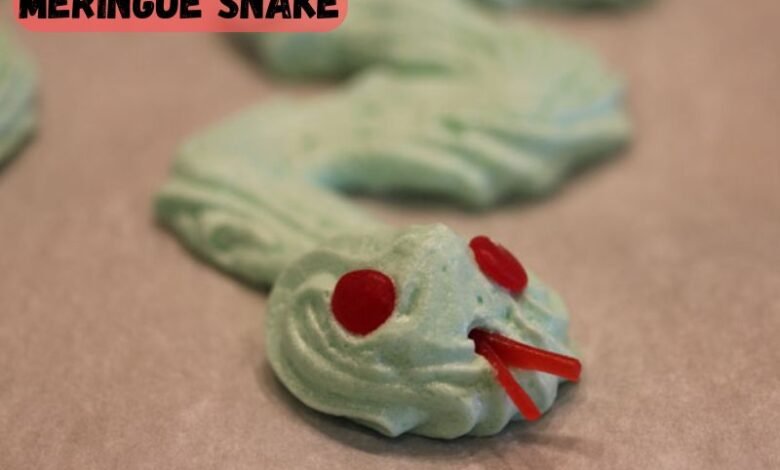
The term “meringue snake” may sound unusual at first, blending the imagery of a reptile with the light sweetness of a dessert. Yet, this creative culinary concept has become a charming and visually striking treat that delights both children and adults. A meringue snake is not a new species of animal, nor is it a cultural myth. It is a dessert crafted from classic meringue, piped and shaped into the form of a snake, then baked to crisp perfection. What makes the meringue snake special is not just its taste, but also its playful appearance, artistic potential, and growing popularity at themed parties, festive celebrations, and creative baking showcases.
Over the years, the meringue snake has evolved from a simple novelty dessert into an expressive form of edible art. Its light, airy texture combined with bold colors and animated decoration allows bakers to transform a basic mixture of egg whites and sugar into a stunning centerpiece. In this article, we will explore everything about the meringue snake in depth, including its origins, preparation, visual appeal, cultural relevance, and why it continues to capture the imagination of bakers around the world.
Understanding What a Meringue Snake Truly Is
A meringue snake is essentially a snake-shaped version of traditional baked meringue. Meringue itself is made by whipping egg whites with sugar until stiff, glossy peaks form. This mixture is then shaped, piped, or spooned onto a baking surface and dried slowly at low temperatures until crisp on the outside and light inside. What transforms it into a “snake” is the intentional shaping of the meringue into long, curved, or coiled forms that resemble the body of a snake.
The defining feature of the meringue snake is its playful design. Eyes are often added using small candy pieces or icing dots. A forked tongue may be crafted from colored sugar paste or icing. The body is frequently decorated with stripes, spots, scales, or gradients of color to resemble different types of snakes, from cartoon-inspired reptiles to realistic designs. While the dessert remains delicate and airy in texture, its appearance can range from cute and whimsical to impressively realistic.
The Origins and Evolution of the Meringue Snake
The exact origin of the meringue snake as a distinct dessert is difficult to trace, as it emerged more from creative baking culture than from any single traditional recipe. Meringue itself has a long history in European cuisine, particularly in France, where it became a cornerstone of classic pastry-making. Over time, bakers began using meringue as a decorative tool, shaping it into shells, nests, flowers, and other artistic forms.
The meringue snake developed as part of this decorative tradition, gaining recognition through themed desserts and children’s party food. It became particularly popular during seasonal celebrations such as Halloween, where spooky-themed treats are in high demand. The snake shape, already associated with mystery and intrigue, proved perfect for festive creativity. With the rise of social media and visual food trends, the meringue snake found a larger audience, spreading from home kitchens to professional bakeries and themed dessert tables.
The Ingredients Behind the Sweet Creation
Despite its elaborate appearance, the meringue snake is built from remarkably simple ingredients. The foundation consists of egg whites and sugar, which together create the structure and sweetness of the dessert. The egg whites provide the protein structure that traps air during whipping, allowing the meringue to hold its shape. Sugar stabilizes the foam, adds sweetness, and contributes to the crisp exterior after baking.
To enhance stability, many bakers use a small amount of acid, typically lemon juice or cream of tartar. This helps strengthen the egg white foam and prevents it from collapsing. Flavorings such as vanilla, almond, or citrus essence are often added to improve taste without overpowering the delicate nature of the meringue. Food coloring plays a crucial role in transforming plain white meringue into a vibrant snake, allowing for endless customization in shades of green, yellow, red, black, or even fantasy-inspired color combinations.
The Process of Shaping and Baking a Meringue Snake
Creating a meringue snake requires patience and precision. Once the egg whites and sugar are whipped into stiff peaks, the mixture is transferred into a piping bag fitted with a round or slightly textured tip. The snake shape is then drawn directly onto baking paper in long, curved lines. Some bakers prefer to create coiled snakes that spiral inward, giving the illusion of movement.
The key to maintaining the snake’s shape lies in the consistency of the meringue. If it is too soft, the design may spread or lose definition. If it is too stiff, it may crack during piping. Once the shape is formed, the eyes, tongue, and surface details are added carefully. The snake is then baked at a low temperature for an extended period. This slow drying process ensures that the meringue becomes crisp without browning.
After baking, the meringue snake is left to cool inside the oven or at room temperature. This gradual cooling prevents sudden temperature changes that could cause cracks. The final result is a lightweight, crunchy dessert with a hollow interior that melts in the mouth.
The Visual Appeal of the Meringue Snake
One of the most defining aspects of the meringue snake is its visual charm. Unlike many desserts that focus primarily on flavor, the meringue snake is designed to catch the eye before it even reaches the palate. Its elongated form, expressive facial features, and colorful patterns make it a natural centerpiece at dessert tables.
The snake design allows for a wide range of artistic interpretations. Some meringue snakes are styled to look friendly and cartoon-like, with large eyes and playful expressions. Others are made to resemble specific snake species, featuring detailed scale patterns and realistic coloring. The contrast between the delicate, airy texture of meringue and the bold visual identity of a snake creates a fascinating balance between elegance and fun.
Flavor Profile and Texture Experience
The flavor of a meringue snake is typically light, sweet, and subtly aromatic. Because meringue is composed mostly of sugar and egg whites, it does not have a heavy or rich taste like cakes or pastries filled with cream. Instead, it offers a clean sweetness that dissolves quickly on the tongue. This makes it especially appealing for those who prefer desserts that do not feel overly indulgent.
The texture is what truly defines the meringue experience. On the outside, the meringue snake is crisp and brittle, producing a gentle crunch when bitten. Inside, it is airy and delicate, almost dissolving as it melts in the mouth. This contrast between crunch and softness is one of the reasons meringue desserts remain so popular.
Cultural and Festive Significance of the Meringue Snake
The meringue snake has gained particular relevance in festive and themed celebrations. It is most commonly associated with Halloween, where its snake shape complements spooky and playful dessert displays. Bright green or black meringue snakes often appear alongside ghost-shaped cookies, spider cupcakes, and themed cakes.
Beyond Halloween, the meringue snake also finds a place at jungle-themed parties, reptile-themed birthday celebrations, and fantasy-themed dessert tables. Its adaptability allows it to fit into both lighthearted children’s events and sophisticated artistic dessert presentations. The dessert’s whimsical nature encourages creativity and storytelling, making it more than just a sweet treat.
The Role of the Meringue Snake in Modern Creative Baking
In modern baking culture, the meringue snake represents the shift toward visually expressive desserts. Bakers today aim not only to satisfy taste but also to create food that tells a story. The meringue snake fits perfectly into this philosophy. It allows bakers to practice advanced piping skills, color blending, and decorative techniques without working with heavy doughs or complex fillings.
Because meringue is relatively affordable and requires only basic ingredients, the meringue snake also serves as an accessible project for beginner bakers looking to explore artistic dessert-making. At the same time, professional pastry artists use meringue snakes in elaborate dessert installations and themed cake designs, proving its versatility across skill levels.
Variations and Artistic Interpretations
The meringue snake is not limited to one specific style. Some bakers create miniature meringue snakes that are served individually as party favors or edible decorations. Others design large, dramatic snakes that wrap around cakes or form the centerpiece of dessert displays. Flavor variations may include chocolate-flavored meringue, citrus-infused versions, or lightly spiced interpretations for seasonal themes.
Color palettes also vary widely. Pastel shades create soft, dreamy snakes suitable for fantasy or fairytale themes, while bold neon colors result in playful, modern designs. Some meringue snakes are given shimmering finishes using edible luster dust, enhancing their visual impact under party lighting.
Storage, Shelf Life, and Serving
One of the practical advantages of the meringue snake is its relatively long shelf life when stored correctly. Because baked meringue is low in moisture, it can be stored at room temperature in an airtight container for several days without significant loss of quality. Humidity is the greatest enemy of meringue, as moisture can cause it to become sticky or soft.
When served, the meringue snake can be presented on its own as a crisp snack or placed as a decorative element on cakes, cupcakes, or dessert platters. Its lightness makes it a suitable complement to heavier desserts, providing balance to rich flavors.
The Psychological Appeal of Snake-Shaped Desserts
The appeal of the meringue snake also lies in the contrast between expectation and reality. Snakes often evoke fear or caution, yet the meringue snake transforms that image into something sweet, light, and harmless. This playful contradiction captures attention and sparks curiosity. For children especially, the idea of “eating a snake” made entirely of sugar and air adds excitement and a sense of adventure to dessert time.
This psychological element contributes significantly to the popularity of the meringue snake at themed events and parties. It encourages interaction, storytelling, and shared enjoyment, turning a simple dessert into a memorable experience.
Educational and Skill-Building Value
From an educational perspective, the meringue snake also serves as a valuable learning project for aspiring bakers. It teaches essential skills such as whipping egg whites to proper consistency, managing sugar ratios, controlling piping techniques, and understanding the effects of temperature and humidity on baked goods. Decorating the snake encourages artistic expression and fine motor control, making it both a culinary and creative exercise.
The Future of the Meringue Snake in Dessert Trends
As visual food trends continue to dominate digital platforms and celebration culture, the meringue snake is likely to remain relevant. Its simple base, combined with infinite creative possibilities, makes it adaptable to evolving themes, holidays, and artistic movements. Whether styled as a cute cartoon character or a sleek, elegant sculpture, the meringue snake will continue to charm audiences with its blend of sweetness and imagination.
Frequently Asked Questions About Meringue Snake
What exactly is a meringue snake made of
A meringue snake is made primarily of egg whites and sugar, whipped into a foam and baked at low temperature until crisp, then shaped and decorated to resemble a snake.
Is the meringue snake safe for children to eat
Yes, when properly baked, the egg whites are fully dried and safe to consume, making the meringue snake suitable for children, provided there are no egg allergies.
How long does a meringue snake stay fresh
When stored in a dry, airtight container at room temperature, a meringue snake can remain fresh and crisp for several days.
Does a meringue snake taste different from regular meringue
The base flavor is the same as classic meringue, though added flavorings and colorings may slightly alter the taste and visual appeal.
Can a meringue snake be used as a cake decoration
Yes, it is commonly used as an edible decoration for themed cakes and dessert tables, adding both structure and visual excitement.

